For our team at Bausanierung Solothurn, building renovation in central Zurich means: little space, clear work steps, and a lot of on-site coordination.
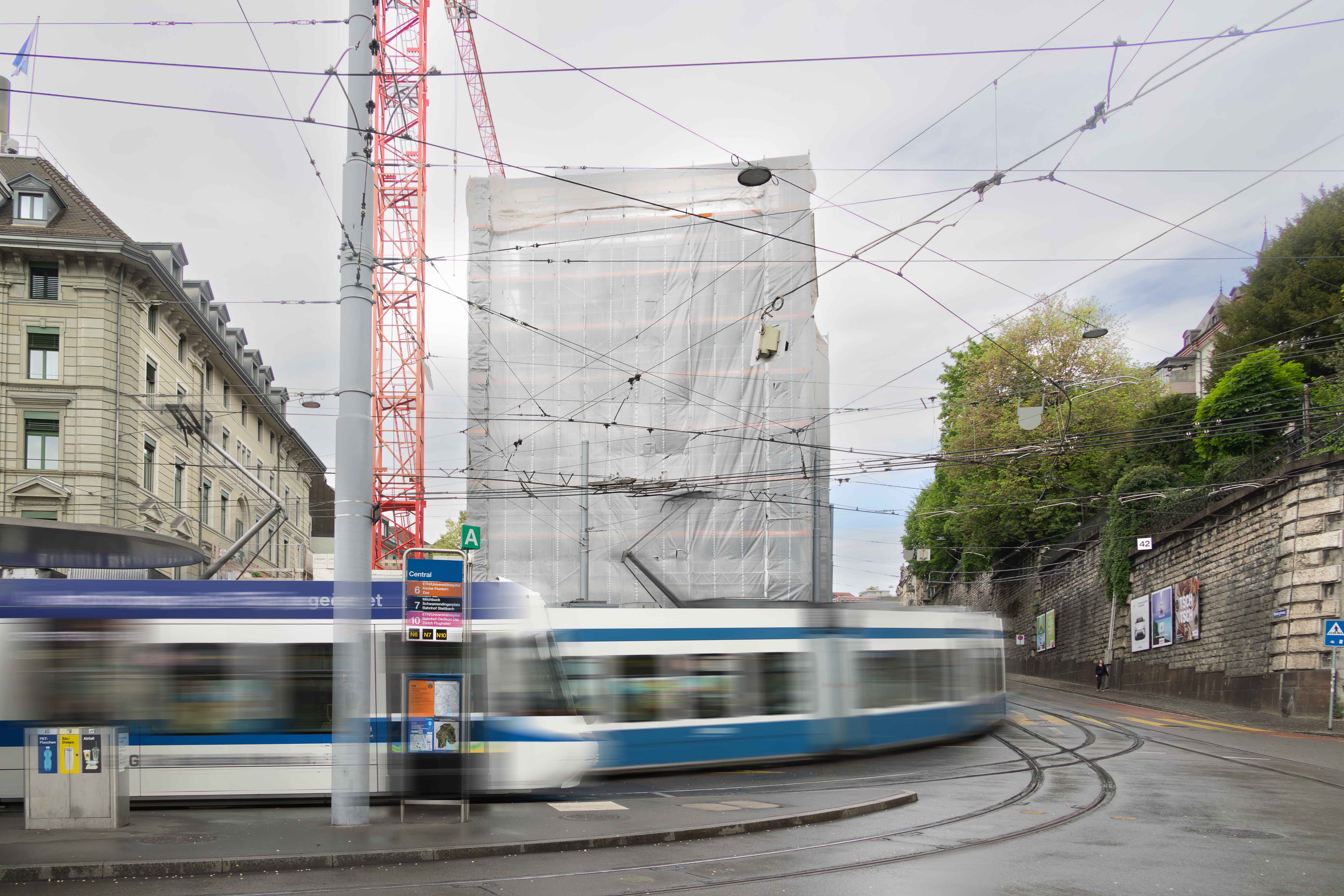
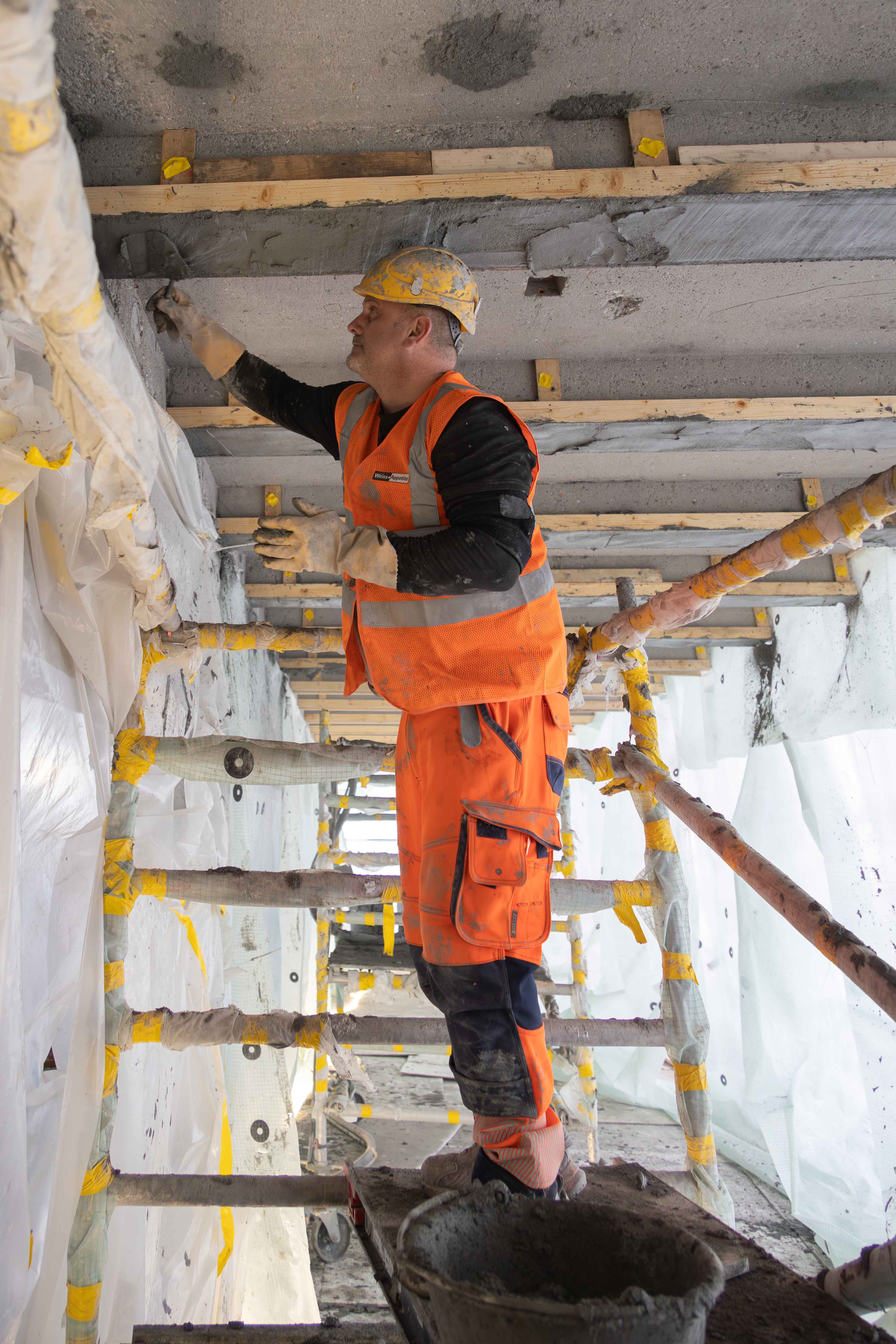
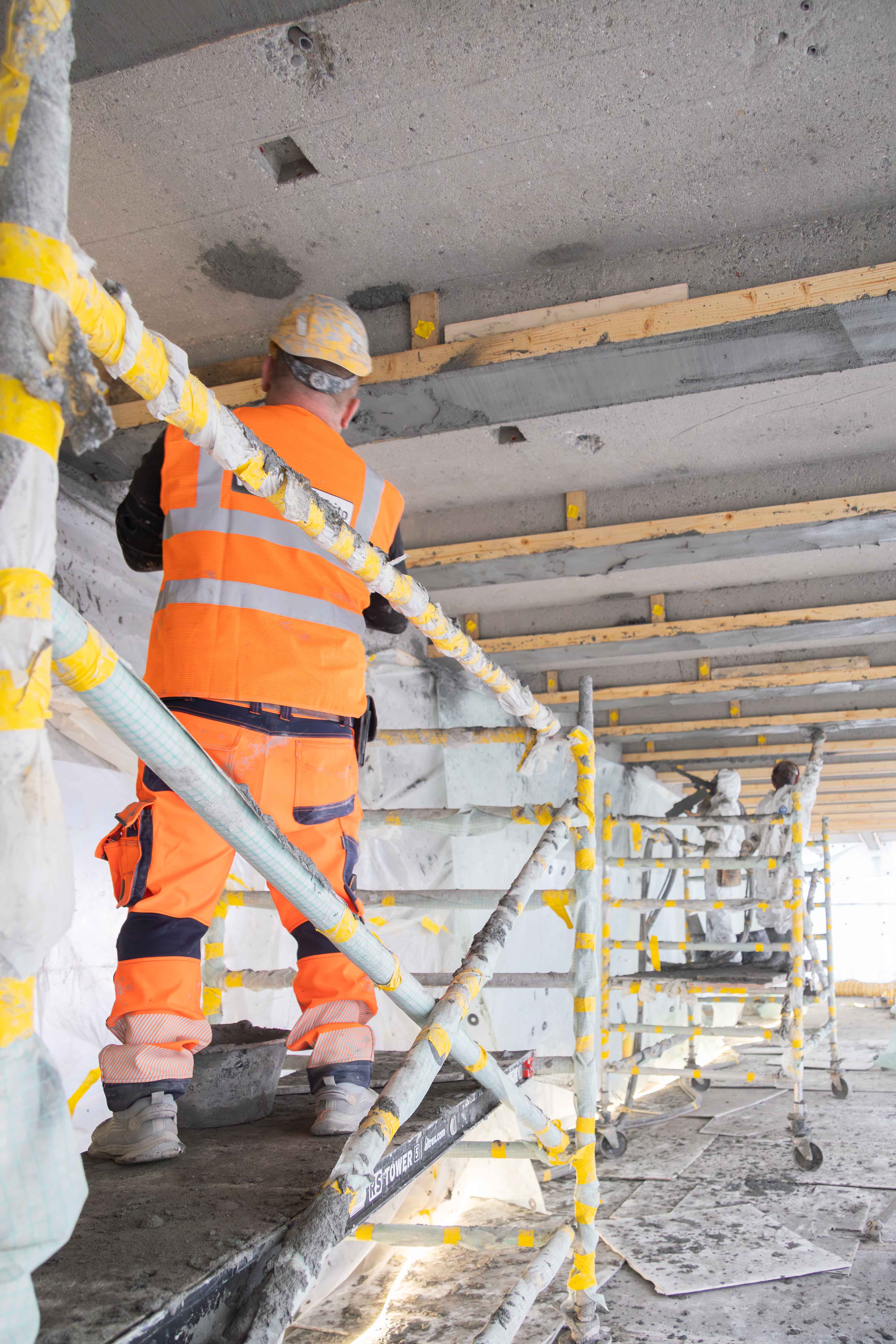
The building is located in the center of Zurich, right next to the main train station. City life continues all around. Space on the construction site itself is tight. Materials, equipment, and access routes must be carefully planned so that work within the building can continue.
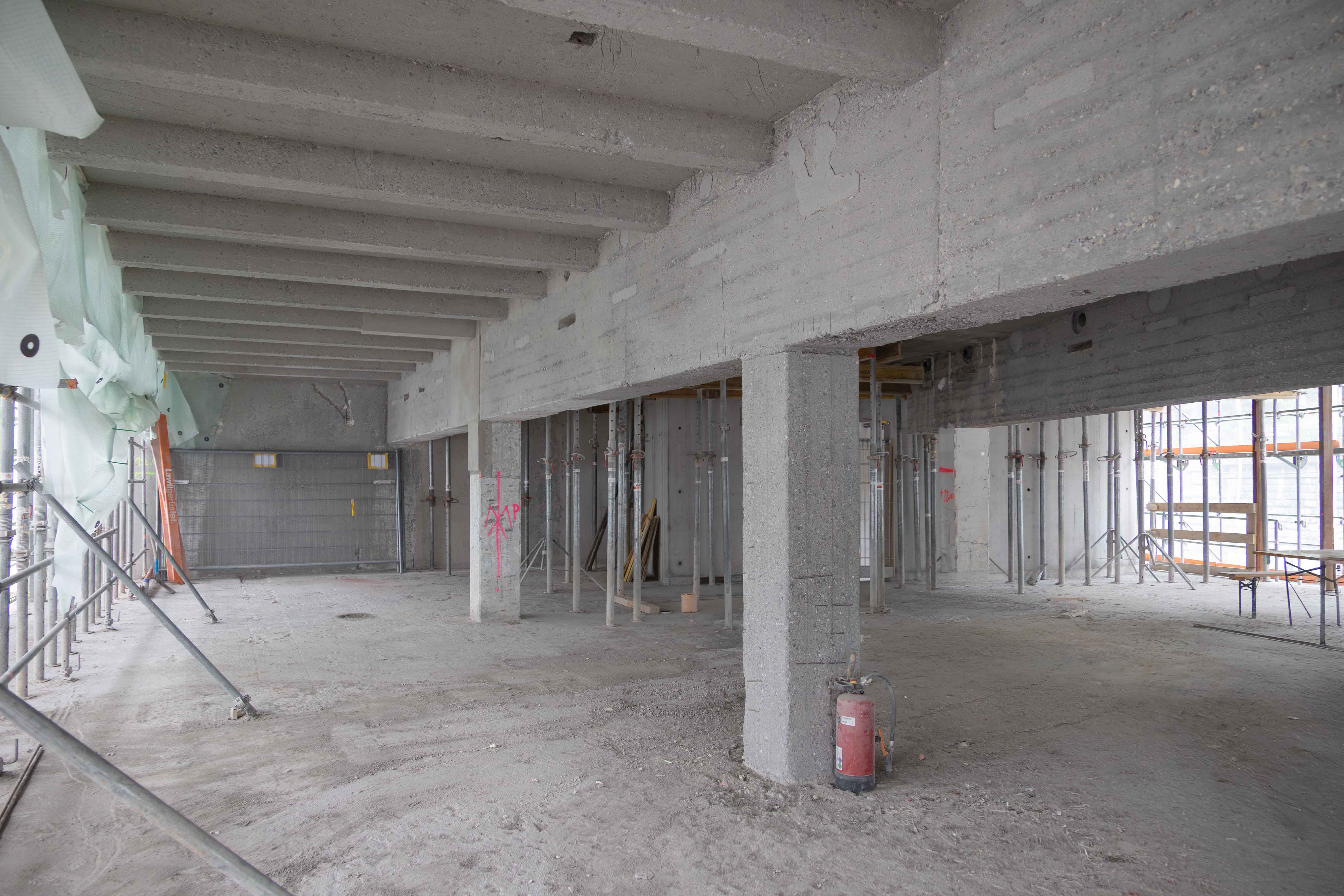
Our team is working its way through the inventory floor by floor. Each floor follows the same process: sandblasting, formwork, and shotcrete application. Three steps that sound simple, but require a lot of experience and precise coordination on a confined construction site.
The Central 2 comprises ten levels: three basement levels, ground floor, mezzanine, four office floors, and an attic floor. For our team, this means many recurring processes, but no floor is exactly the same as another.
Building Renovation Central 2 Zurich in three work steps
During the renovation of Central 2 Zurich, each floor is worked on in three steps. First, it is sandblasted. Then, formwork is installed. Finally, the sprayed mortar is applied.
This process helps to cleanly pace the work. One floor is prepared, built, and handed over. Then, the next area is worked on.
This is important right in the inventory. You won't see exactly what the surfaces look like until after preparation. Some areas need more buildup, others less. That's why you need people on-site who can look, think along, and adapt their work to the respective situation.
Sandblasting: the substrate must be right
The first step is sandblasting. Our team removes loose components, old layers, and dirt from the concrete surfaces.
This creates a sub-surface that can be worked on. This is crucial for later concrete repair. If the surface is not properly prepared, the new structure cannot function correctly.
At Central 2, this work step is demanding due to the tight space. Equipment, blasting media, safety measures, and the next tasks must be coordinated. Other work is also ongoing in the building simultaneously. This requires a clear overview and brief consultations.
Bowls: so that the shape is right again
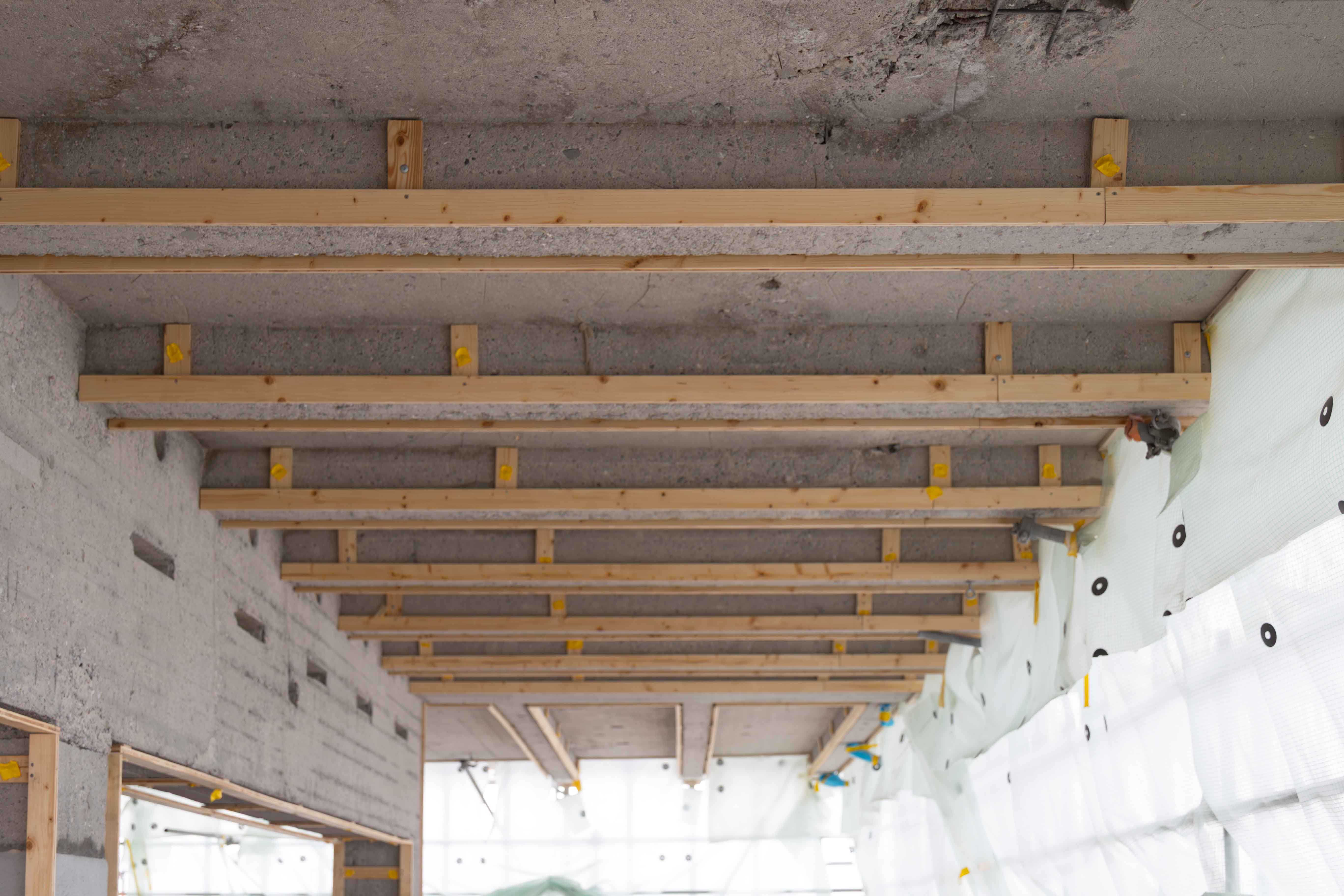
After sandblasting comes chiseling. Our team uses this to prepare areas where concrete surfaces need to be rebuilt or cleaned and reshaped.
This step is especially important for reprofiling. Edges, chips, transitions, and surfaces must be prepared so that the subsequent build-up fits.
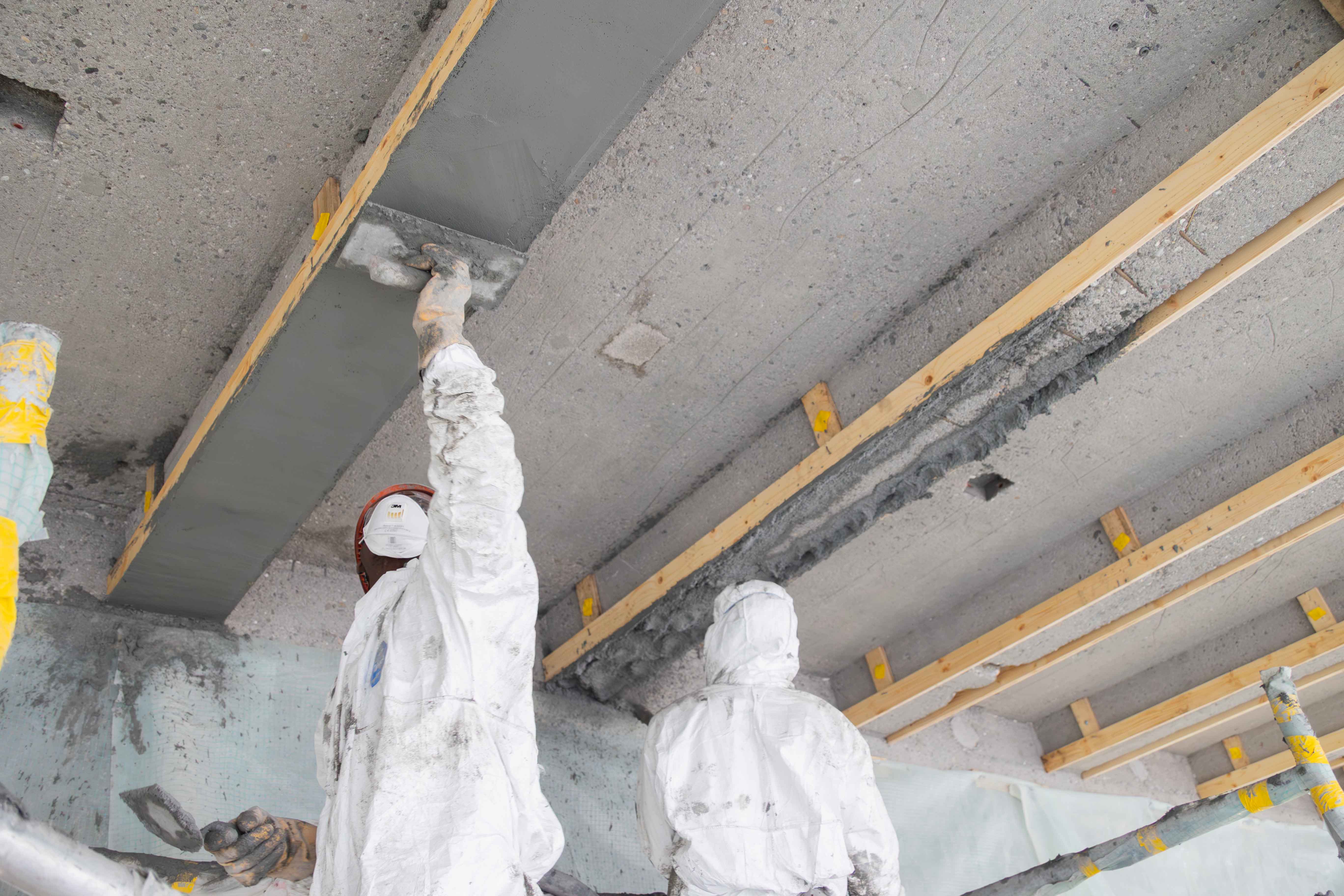
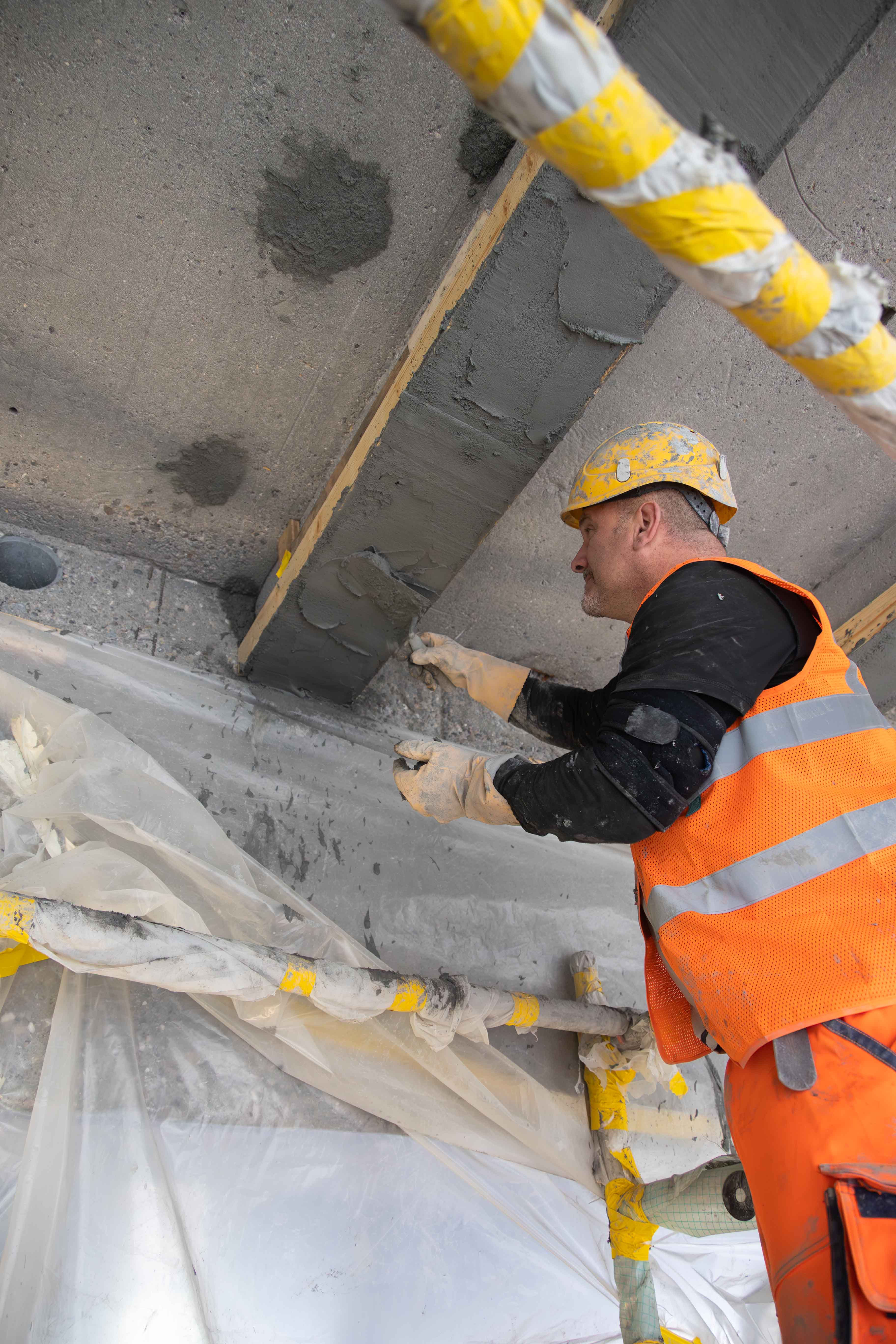
Shell construction is a handcraft that requires a great deal of precision. It’s not just about creating a boundary. It’s about preparing the form so that the spray mortar lands where it’s needed.
Spritz mortar: the new construction is being applied to the surface
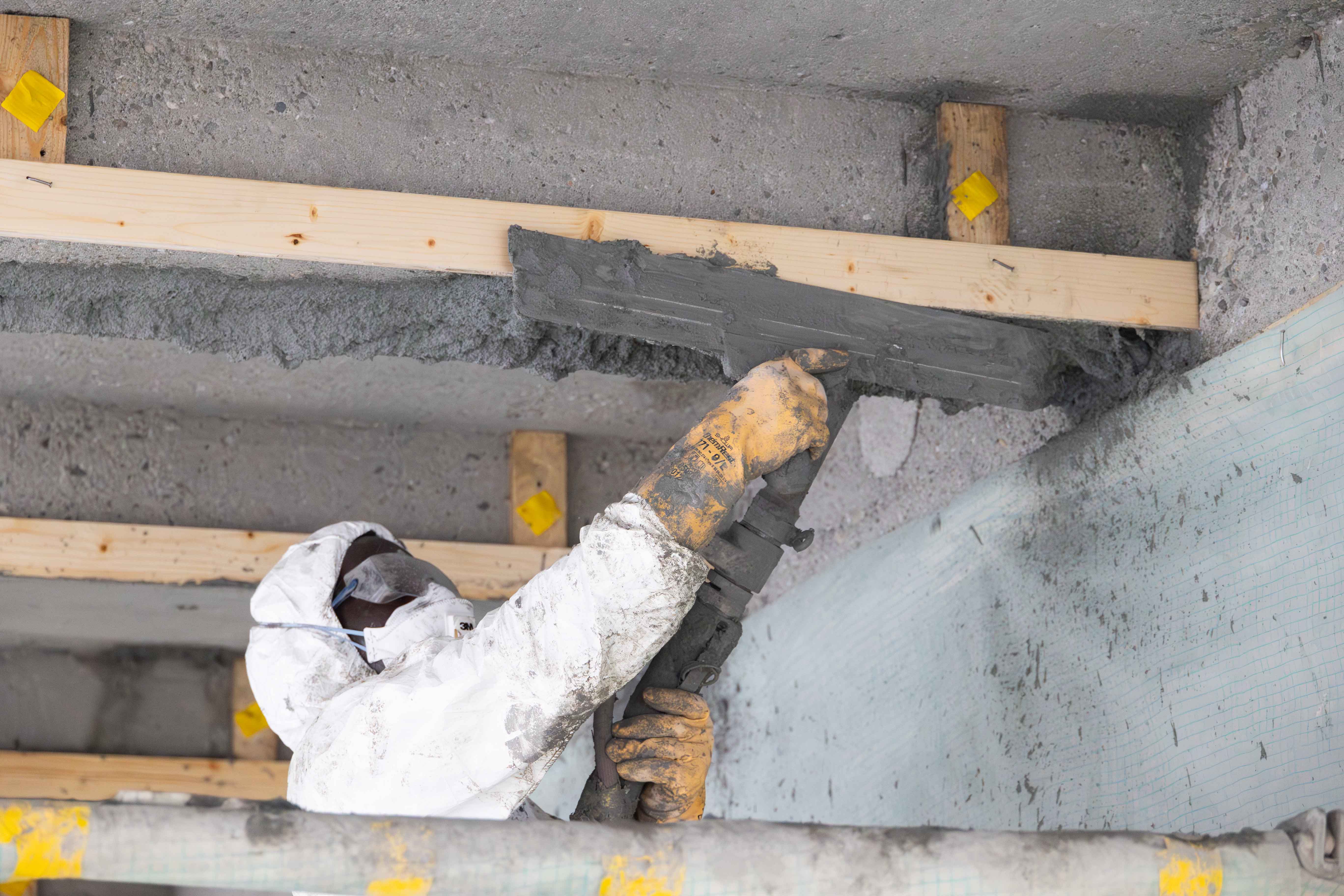
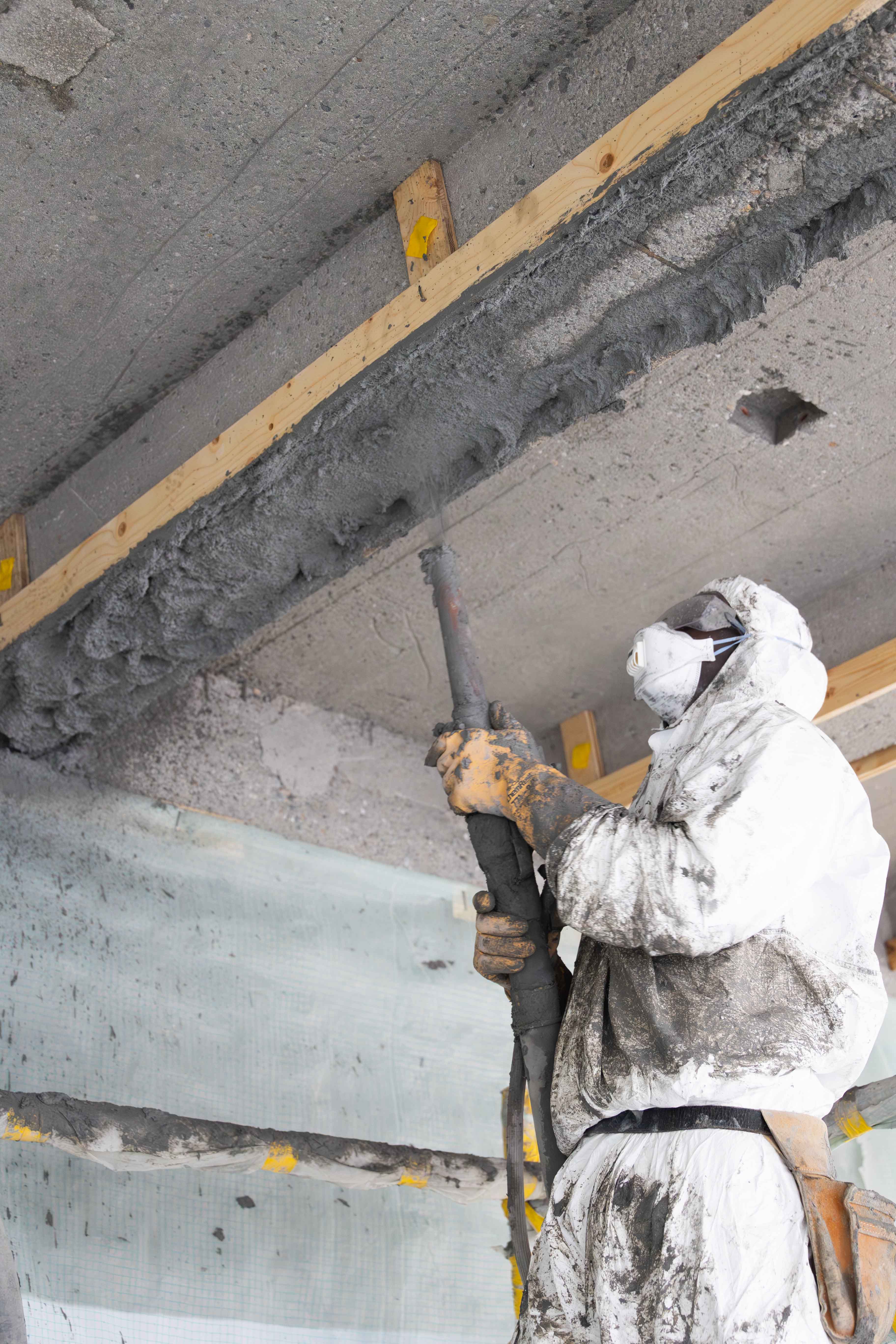
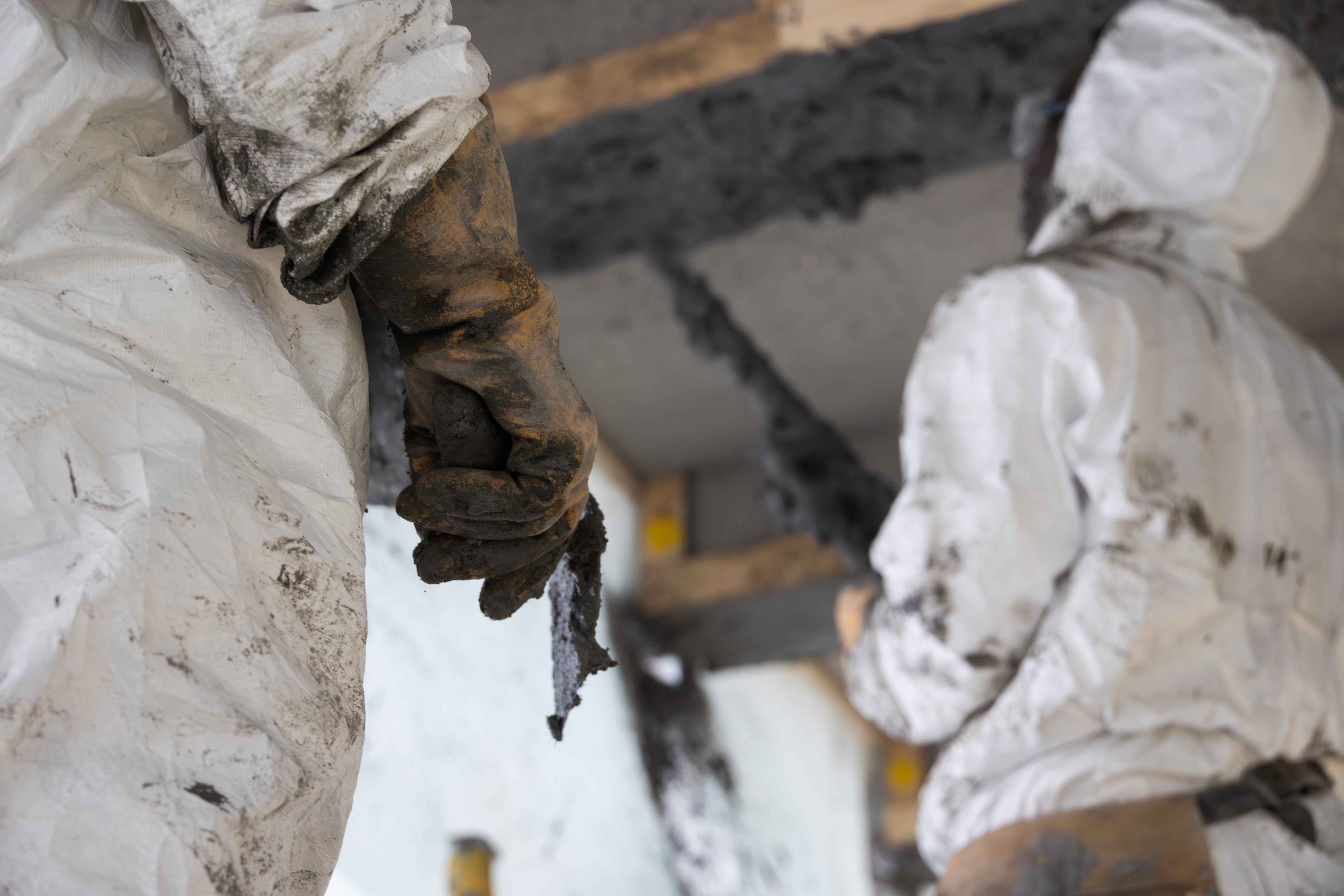
In the third step, the material is sprayed. The cement-bound repair mortar is mixed with water and applied to the prepared surfaces.
This is used to rebuild damaged concrete areas. The surfaces are adapted to the existing structure, spalls are filled, and component geometries are restored.
The repair mortar used is a powdery, cementitious material. It reacts alkaline when it comes into contact with water. Therefore, safety glasses, gloves, suitable work clothing, good ventilation, and, depending on the situation, respiratory protection are part of the job.
For our team, this is everyday work, but not a step that you do on the side. Spray mortar needs to be processed correctly. Layer thickness, surface, transitions, and connections must be right. In the end, the surface should not only be built up, but also match the existing structure.
Little space, a lot of coordination
The construction site in Central 2 leaves little room for maneuver. Material cannot simply be left anywhere. Access routes must be kept clear. Equipment must be in the right place at the right time.
Therefore, coordination with site management was an integral part of the work. What was possible next was clarified directly on-site. Especially with renovations of existing buildings, it helps when decisions are made quickly and clearly.
Collaboration with Marti AG was also important. In tight spaces, you quickly notice if the processes are working. When everyone involved is thinking along, you make clean progress.
Our team for building renovation Solothurn in action
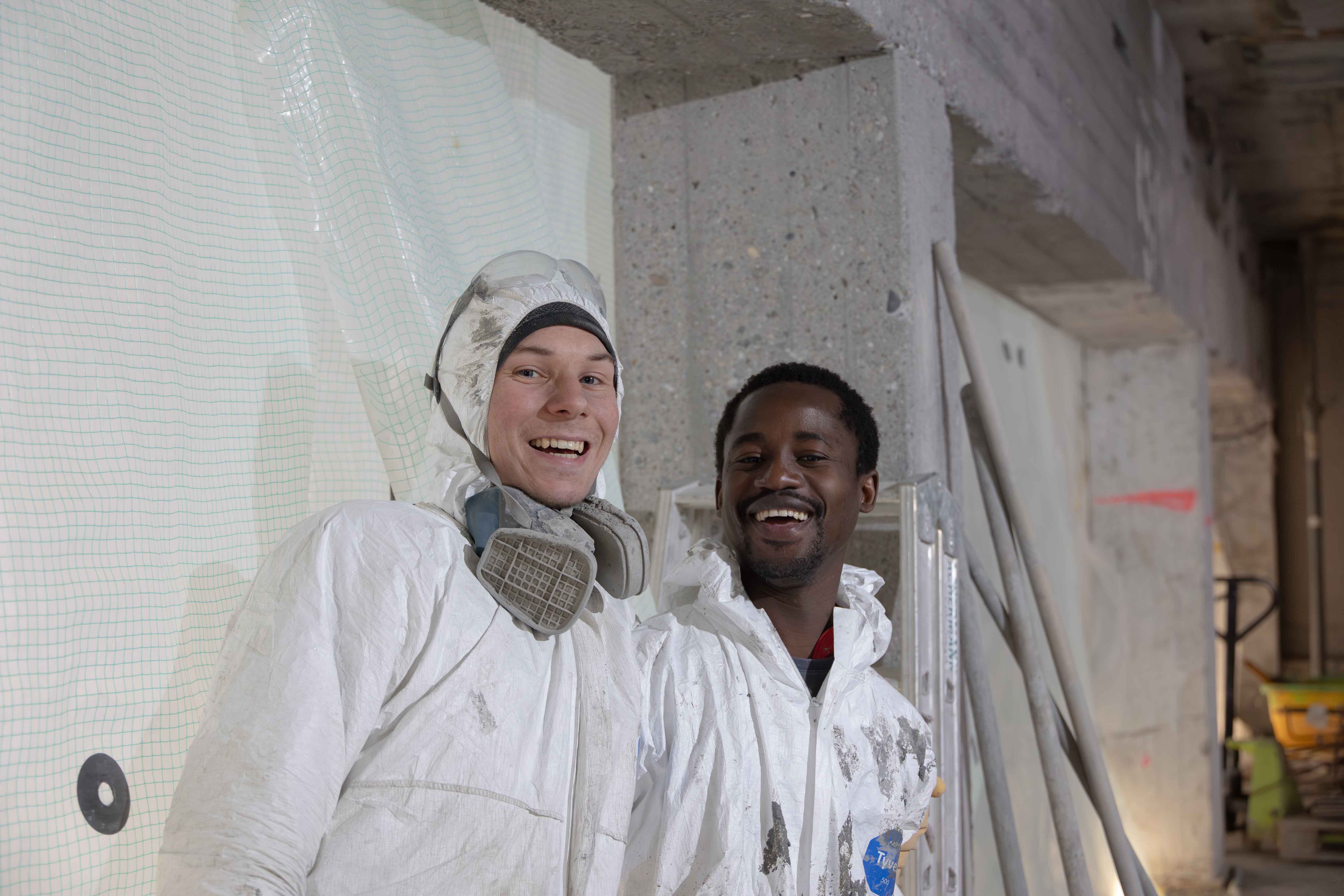
Our team from Bausanierung Solothurn demonstrated what such work entails at Central 2 Zurich: preparing, formworking, building, and keeping an eye on the construction site's progress.
It's work that is often only seen in the finished surface at the end. But there's a lot of craftsmanship behind it. Each stage requires preparation. Each surface needs to be examined. Each step has to fit the next one.
Floor by floor, it goes through the building.